

19 / 125
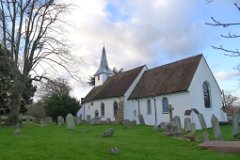
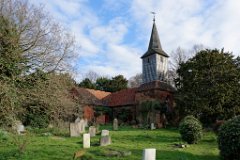
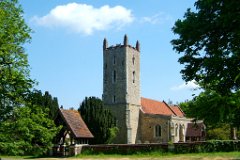
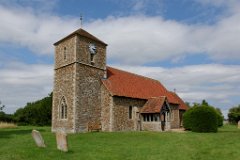
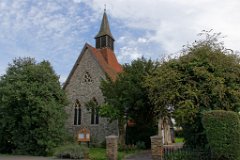
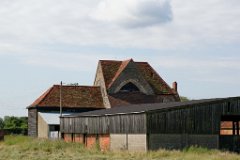
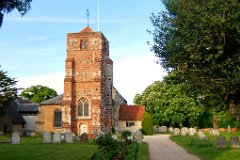
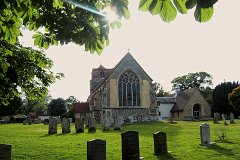
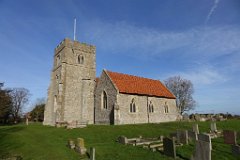
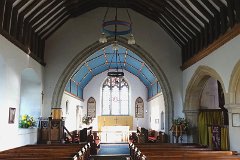
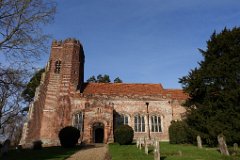
Langford - St Giles
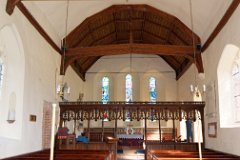
An altar within a circular apse was a tradition which began in Christian Syria in the 5th century. By the 9th century, it was common in Anglo-Saxon lands for churches to have altars at both the east and west ends, as was the case at the Saxon cathedral at Canterbury. St Giles is a unique example of a circular apse accommodating this at the west end of the church. with architectural evidence of a now-missing apse at the east end. The apse, with 4 feet thick walls, was built in Norman times and is the only surviving example of this in the country.
