• Wendens-Ambo-Church-Essex-5.jpg
  • Wendens-Ambo-Church-Essex-6.jpg
  • Wendens-Ambo-Church-Essex-7.jpg
  • Wendens-Ambo-Church-Essex-8.jpg
  • Wendens-Ambo-Church-Essex-Brass-1.jpg
  • Wendens-Ambo-Church-Essex-Brass-2.jpg
  • Wendens-Ambo-Church-Essex-Font.jpg
  • Wendens-Ambo-Church-Essex-Pulpit.jpg
  • Wendens-Ambo-Church-Essex-Glass-1.jpg
  • Wendens-Ambo-Church-Essex-Glass-2.jpg
  • Wendens-Ambo-Church-Essex-Glass-3.jpg
  • Wendens-Ambo-Church-Essex-Glass-4.jpg
  • Wendens-Ambo-Church-Essex-Glass-5.jpg
  • Wendens-Ambo-Church-Essex-Glass-6.jpg
  • Wendens-Ambo-Church-Essex-Glass-7.jpg
  • Wendens-Ambo-Church-Essex-Glass-8.jpg
           

33 / 94

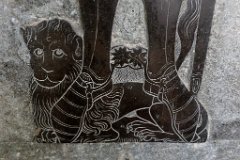
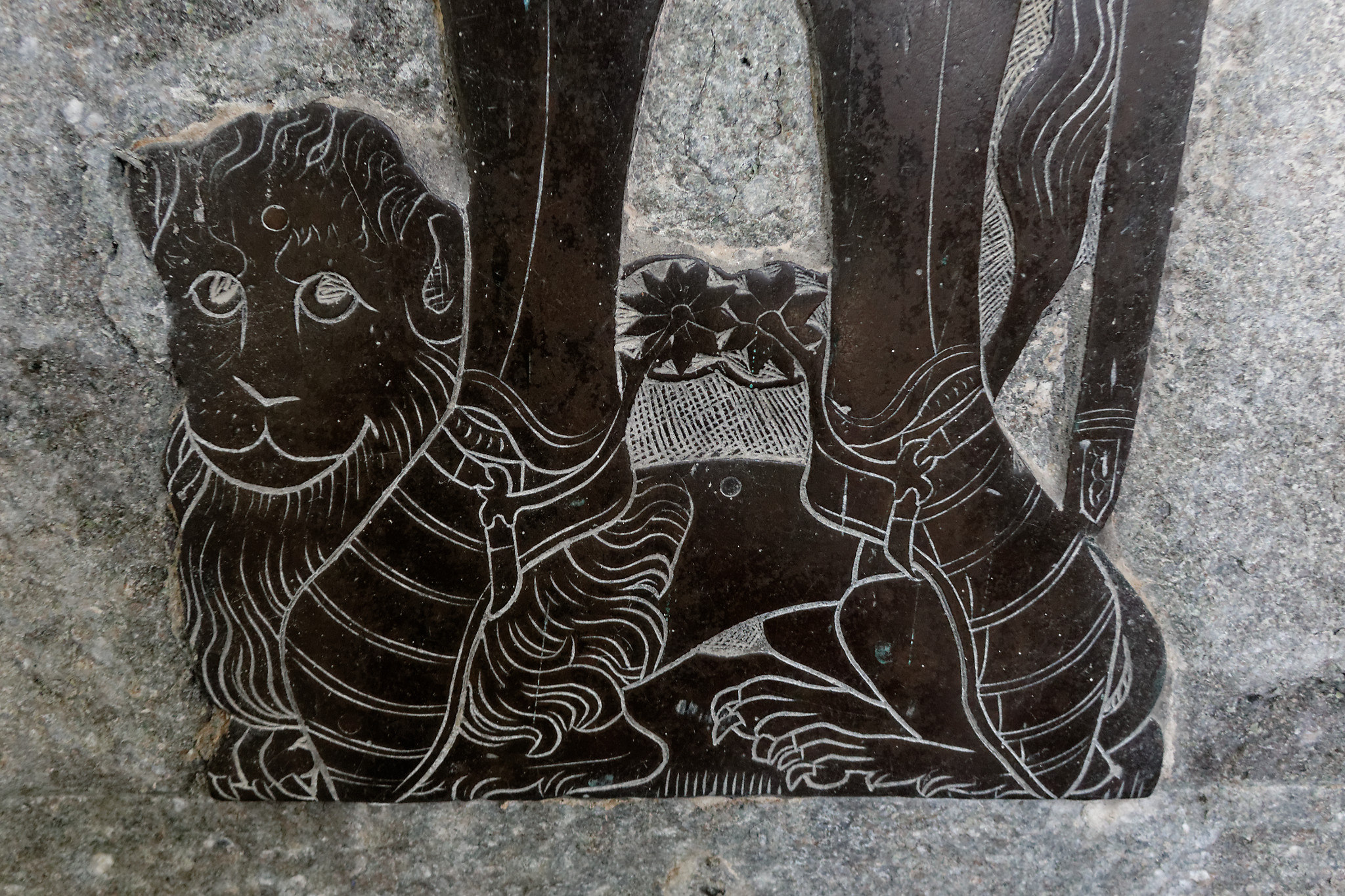
Wendens Ambo - St Mary - Brass Lion

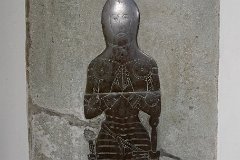
Brass of William Loveney, c.1410, and lion. Lion cubs were erroneously believed to be born dead, then come alive after three days - a clear symbol of the Resurrection. Furthermore people believed that a lion never closed its eyes: thus lions implied vigilance. The representation of a lion at the foot of a funeral effigy symbolized the nobility and courage of the deceased, and hope for the afterlife.
Wendens Ambo - St Mary - Brass Lion