24 / 107
Matching - St Mary
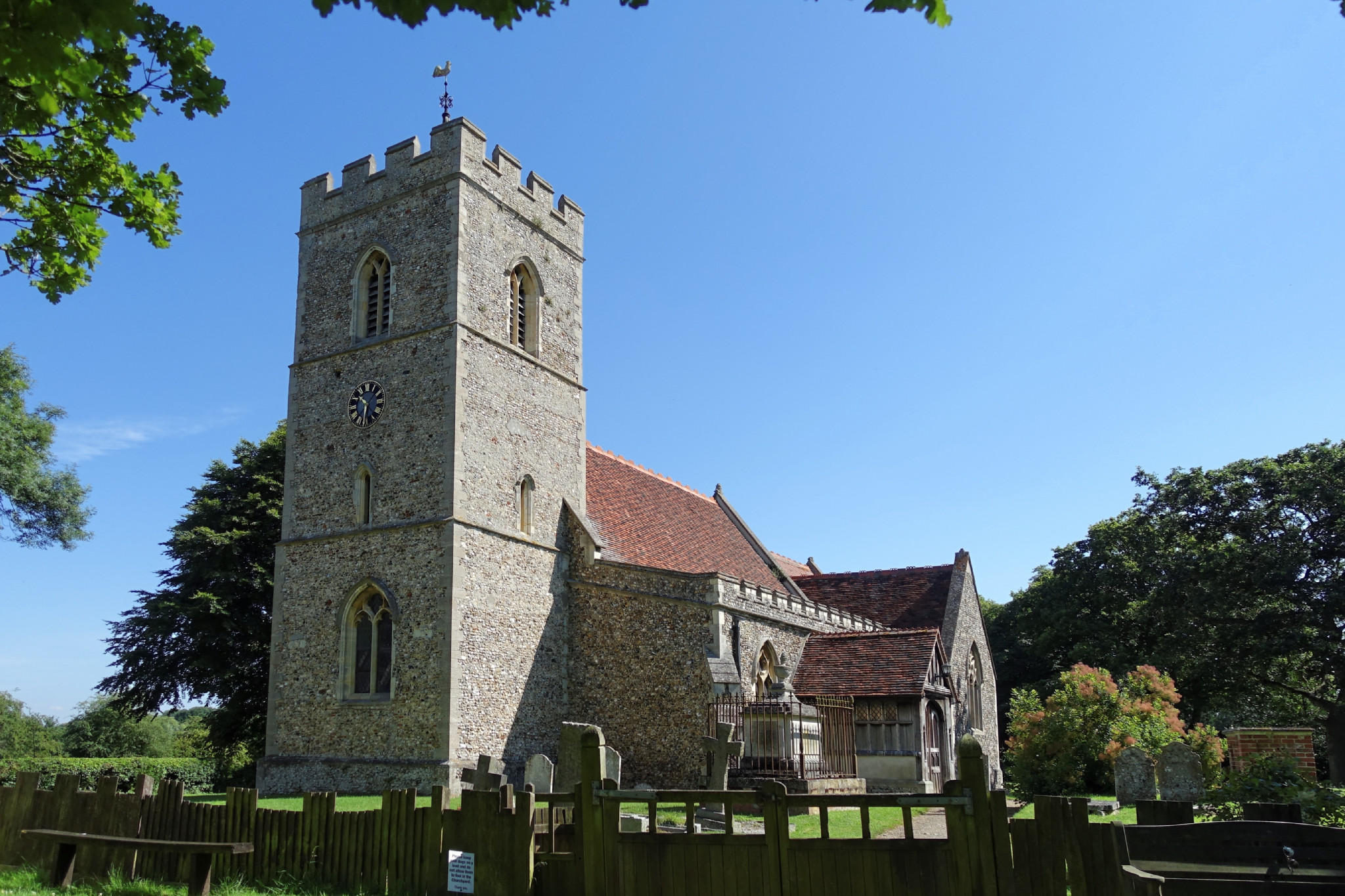
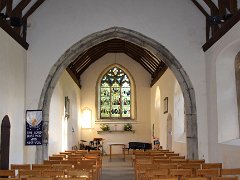
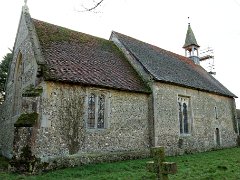
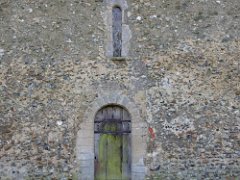
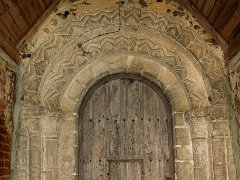
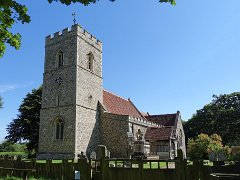
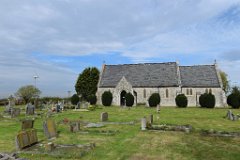
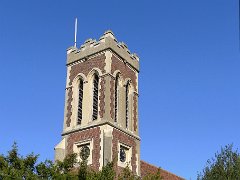
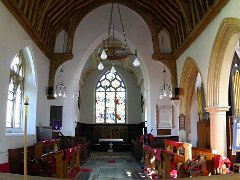
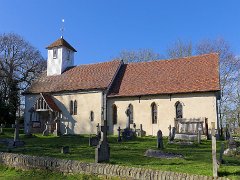
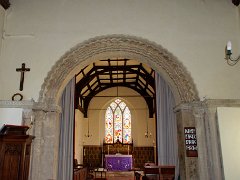
This parish church dates from the 13th century with the south aisle widened during the 14th century and the tower added in the 15th century. The church was enlarged and features such as the south transept, organ chamber, north aisle and south porch added in 1875 but despite this many original attributes remain intact.
In 1274 it was ordained that the vicar of Matching should receive tithes from local farmers as part of his stipend; by 1710 the small tithes were, by custom and practice, paid in cheese.
It is worth taking a moment to visit Matching village, a few yards to the west of the church, because Matching is unique. It has hardly changed since the 18th Century, and as such is a simple reminder of times long gone. The village consists of the Church, and a handful of unostentatious buildings scattered around a green. Many of these buildings date from the 15th and 16th century, including the Marriage Feast Room, built c.1480 "for the entertainment of poor people on their wedding day" (Morant 1768), which was originally built as two halls to the west of the church and has been used as a school and as an almshouse in the past.